
An update from Day Five of Prion 2026 from Catherine, our National Coordinator
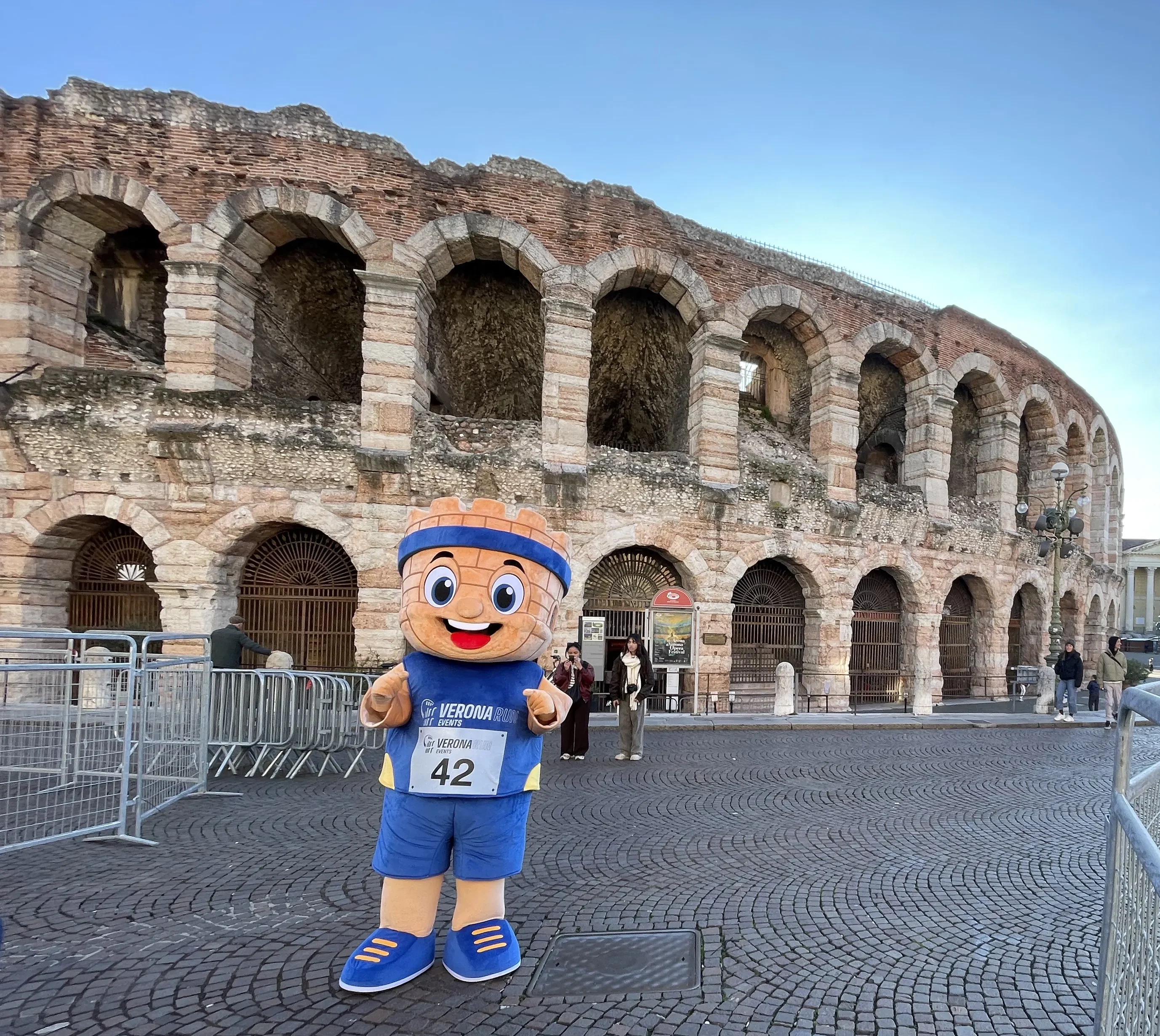
Each day’s walk to work here in Verona has brought something slightly different, and today was no exception. I bumped into Arenix, the mascot of Verona’s marathon which is due to be run tomorrow, Sunday. It is their 25th anniversary this year. Arenix sends a message both to the runners and to us all. Arenix is designed to reflect the way success is built ‘brick by brick’. This is a very strong message I have taken away from the conference.
Many presentations have included call backs to earlier researchers on which their work was built. Eric Minikel called for the gathering of non proprietary data so that it can be shared easily and widely in order that “all ships rise”. The CJD Support Network itself started off as part of a different charity, and has been built, brick by brick, by successive committee members, coordinators, and now trustees, alongside all our community members. Arenix’s appearance on my walk in today was an excellent reminder to keep working to place strong, study bricks alongside all of you, and the researchers working so hard on prion disease.
Today marks the last day of the conference, and is a half day to allow time for people to begin their travel home. The focus was on potential therapies and clinical trials.
Today’s Presentations
As always, any mistakes in understanding below are down to my error.
The overall message from Prion 2026 continued to be one of cautious optimism. Researchers presented an unprecedented number of therapeutic approaches aimed at lowering or modifying prion protein (PrP), including antibodies, small molecules, RNA-based therapies and emerging gene therapies. Several studies showed encouraging results in laboratory and animal models, with some treatments significantly extending survival and reducing PrP levels in the brain. One that particularly intrigued me was research into the natural resistance of certain whales and dolphins to prion protein misfolding, which may provide clues for future treatment strategies.
Throughout the meeting, speakers repeatedly emphasised that greater collaboration, data sharing and the development of shared natural history resources will be essential to accelerate progress. This photo of a credit slide of one of the presentations today shows how many people and organisations (including academic and charity support) are needed for each piece of research.
A major focus of the conference was understanding and treating disease before symptoms appear. Long-term studies of people carrying inherited PRNP mutations showed that most individuals remain clinically normal until very close to disease onset, while also identifying potential biomarkers that could help monitor disease progression and future treatment effects. Researchers highlighted the importance of building “trial-ready” cohorts and developing reliable blood, spinal fluid and imaging biomarkers.
Clinical trial design featured prominently throughout the meeting. Professor Michael Geschwind reviewed lessons from earlier trials, stressing that studies are feasible but that patients are often diagnosed and enrolled too late. Researchers highlighted the need for earlier diagnosis, noting that psychiatric and behavioural symptoms are frequently among the earliest signs of prion disease, yet remain under-recognised. There was also considerable discussion about improving trial outcomes through shared endpoints, pooled natural history data and better biomarkers.
Perhaps the strongest emerging theme was that the field is steadily moving from understanding disease mechanisms towards testing genuine therapeutic interventions. Multiple programmes are converging on the same target, reduction of PrP, using different technologies and delivery methods. Researchers studying hereditary prion disease reported a high level of willingness among at-risk individuals to participate in preventive trials, suggesting that the community is ready for the next phase of research. As Professor Simon Mead, one of our Trustees, reflected in the day’s summary, significant challenges remain, particularly around treatment delivery and early diagnosis, but the future appears brighter than ever, with a growing range of promising approaches advancing towards human studies.
Closing Remarks, Poster Awards & Presentation of Prion 2027
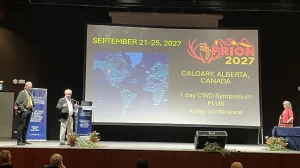 The conference concluded with an invitation to meet again in Calgary, Alberta, Canada, for CWD and Beyond: Strategies for Prion and Prion-Like Diseases in September 2027. Building on the momentum and optimism of this year’s meeting, the event will combine a dedicated one-day symposium on Chronic Wasting Disease (CWD) with a four-day international conference exploring prion and prion-like diseases. Delegates were given a glimpse of Calgary’s spectacular landscapes, vibrant culture and renowned hospitality, providing a fitting backdrop for what promises to be another important gathering of scientists, clinicians, advocates and families from around the world. With travel grants already planned to support trainee attendance and a growing sense of progress across the field, Calgary is set to host a conference focused not only on the challenges that remain, but also on the promising opportunities ahead.
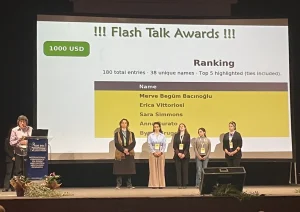
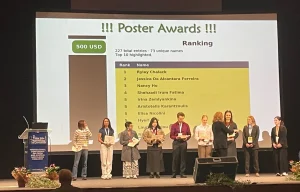
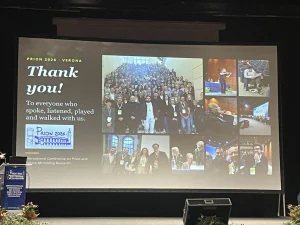
You can visit the conference website here.