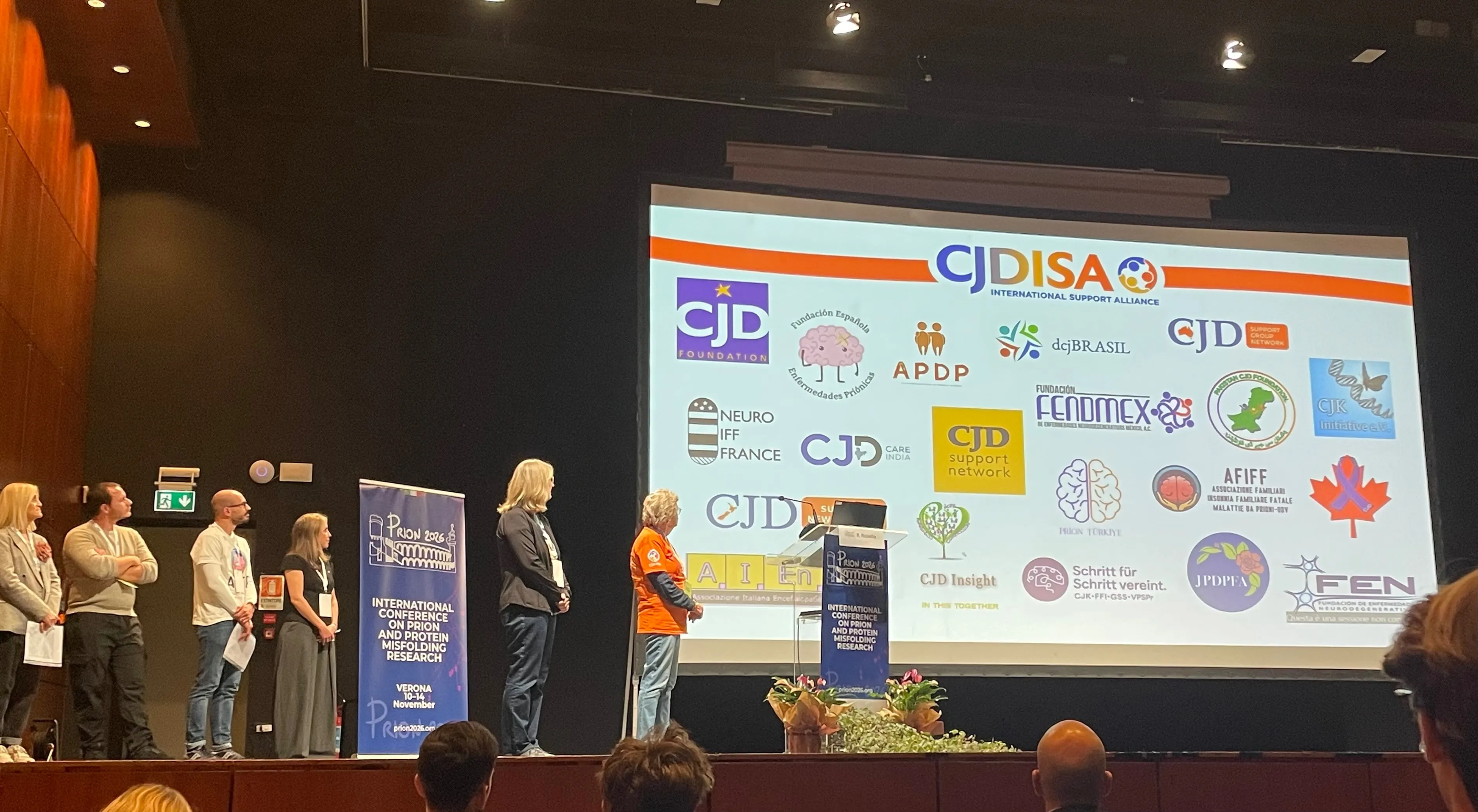
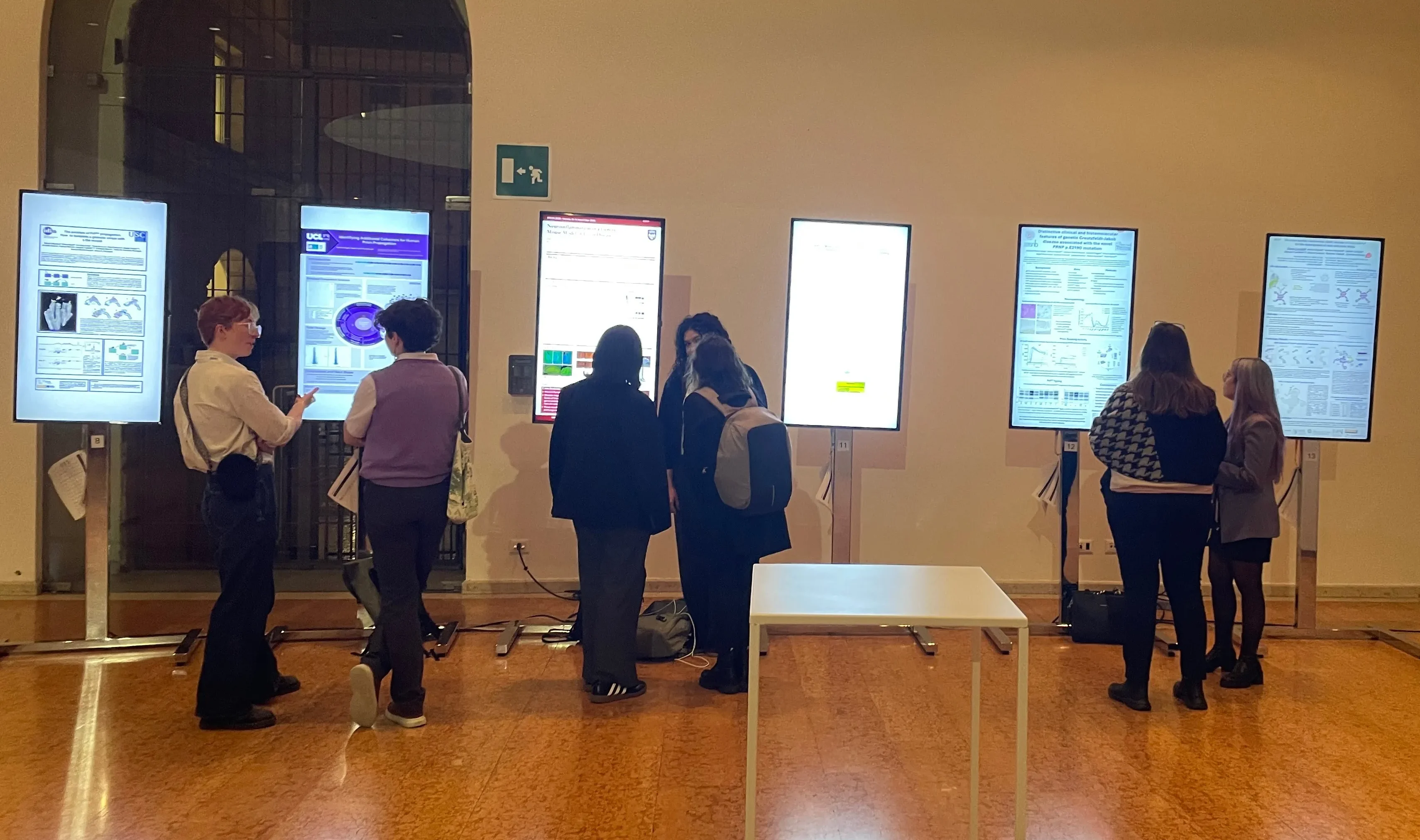

An update from Day Four of Prion 2026 from Catherine, our National Coordinator
Posters and Connection
Today the main conference talks were very much focused on very scientific topics, most beyond my clear understanding. As a result, I took the opportunity to really focus on the poster displays, and to meeting and making links with other attendees. I thought I might also share some of the aspects of being here beyond the scientific content.
Poster Presentations
I have previously mentioned that scientific posters distil research into a clear and accessible format, highlighting a group’s study aims, methods, findings, and conclusions. These are displayed during the course of a conference, and specific poster sessions allow attendees to explore new ideas, ask questions, and engage directly with researchers in a more interactive setting than formal presentations. Most posters will end with what the researchers consider to be the single most important ‘Take home message’ or conclusion.
Here are just three of the posters I looked at:
Living Through Diagnosic Uncertainty in Chile – Perspectives of Affected Families
Carola Muñoz-Montesino et al
University of Concepcion
This poster reflected the uncertainties and difficulties in facing diagnosis and suggests that it would be vital to place family experiences and needs at the core of any future Chilean CJD surveillance system.
Surveillance of Individuals Potentially Exposed to Chronic Wasting Disease, Wisconsin
Ryan A Maddox et al
US Centres for Disease Control and Prevention
This is an ongoing review which is currently reassuring, however this was caveated with the statement that “Many more years of vital status tracking are needed given an expected long incubation period should transmission to humans occur.”
Sex Differences of Disease Trajectories of Sporadic Creutzfeld-Jakob Disease: A Registry Based Study
Mateo Constanzo et al
Instituto Superiores Sanita, Rome, Italy
The researchers found that there appear to. be sex based differences in the way patients experience sCJD. Female patients experienced longer disease survival, as well as there being differences in onset of disease. The researchers suggest that this warrants further investigation, and may have relevance to potential prognostic implications, i.e. giving families an idea of how long their loved one may have.
There were also posters concerning finding potential alternatives to needing a lumbar puncture as part of the diagnosis process. Ideas included skin and hair samples. This would be less invasive, and potentially make repeat testing easier.
In all there were around 147 posters, so plenty to read. I really appreciated the researchers who explained their work and ideas to me in an accessible way.
Connections
Amongst the people I was able to chat with was a representative from the pharmaceutical company Regeneron. They are a US based company currently developing a gene therapy designed to lower prion proteins. The hope is to target human prion diseases. The representative had come along to the meeting of the CJD International Support Alliance yesterday, so it was very good to speak one-to-one. I explained how the CJD Support Network fits into the UK context, and we discussed issues from potential insurance discrimination against those who have a risk of prion disease in their family, to his background in patient experience, and more.
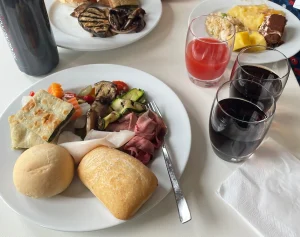
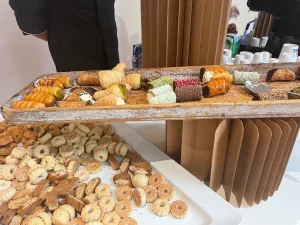
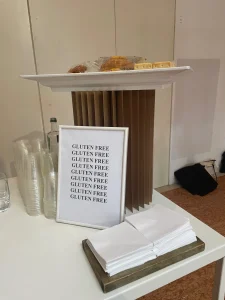
The organisers have been very generous in providing lunch so we don’t need to leave the site and can use all our time together. Allergies seem well catered for, including clearly labelled gluten free options.
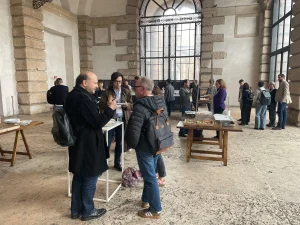
I also spent some time with some representatives from Australian research, and their surveillance unit, and was also able to have a brief catch up with our Trustee, Professor Simon Mead, who is also here in Verona and will be hosting one of the sessions tomorrow.
Tomorrow is our final day, with the focus being on potential therapies and clinical trials. This is of course a day of great interest to our community, so I will be there on time and ready to learn.
You can visit the conference website here.